



 15 minutes to read
2026-04-07
Osman Hadi
Risk Management: How to Protect Your Balance on ExpertOption Using the 1–2% Rule


Trading is exciting, but it can also be stressful, especially for beginners. One of the biggest challenges is managing losses before they happen, rather than reacting emotionally after a trade goes against you. Without a structured approach, even a few small losing trades can feel discouraging and quickly erode your balance.
This is where risk management comes in. Using principles like the 1–2% rule and careful lot sizing, traders create a framework that protects their capital, lowering the likelihood of losses, and encourages disciplined decision-making. ExpertOption makes these strategies approachable with its intuitive, beginner-friendly platform. Visual indicators, simple tools, and clear dashboards help traders see exactly how much of their balance is at risk, making responsible trading easier to follow.
This guide is designed for anyone who wants to trade with confidence — beginners, traders who struggle with emotional decisions, and anyone looking for a structured approach to protecting their balance.
Visit our website to explore the platform and create your account.
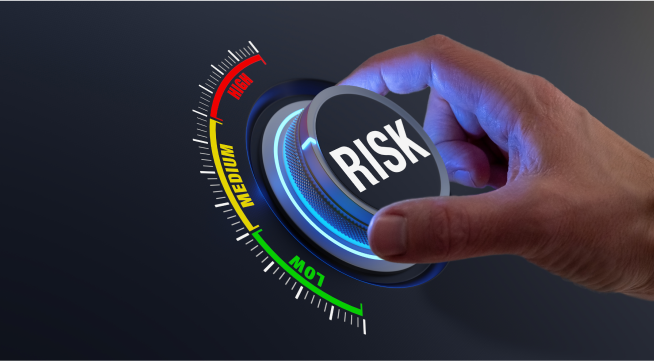
Why Simplicity Is Key in Risk Management
One reason risk management can feel overwhelming is that trading platforms often display too much information at once: complex charts, multiple indicators, and endless technical jargon can lead to confusion. Complex charts, multiple indicators, and unfamiliar terminology can make it difficult to focus on the most important question before every trade: “How much am I risking?”
A simple, clean interface changes everything. On ExpertOption, the platform shows your exposure clearly before confirming a trade. You can see the potential loss for a position, allowing you to make informed choices without guesswork. Beginners don’t need to memorize complicated formulas or charts; the platform translates your settings into actionable numbers.
A simplified interface helps traders develop better habits and avoid common mistakes. When the key information is visible and easy to interpret, it becomes easier to:
- Keep trade sizes within the 1–2% risk range
- Avoid accidental overexposure
- Make decisions more calmly during volatility
- Focus on market analysis instead of platform mechanics
Over time, this approach helps form disciplined habits that protect your balance and reduce the emotional strain of trading.
Before confirming a trade, take a few seconds to run through this short checklist:
- Check your account balance. Know your starting point so you can calculate 1–2% of the total.
- Calculate your risk range. Example: if your balance is $500, your risk per trade should be around $5–$10.
- Select a deal size within that range. Use the trading panel to choose a transaction amount that fits your risk limit.
- Review the displayed trade amount. Make sure the platform shows the same amount you planned to risk.
- Confirm the trade only after verifying exposure. A quick check prevents accidental oversized positions.
Understanding ExpertOption’s Risk-Control Tools
On ExpertOption, risk control is based on fixed deal sizes and predefined outcomes, making it easier for traders to understand potential exposure before entering a position. Instead of setting a stop-loss level after opening a trade, users know the maximum possible loss in advance if the deal finishes unsuccessfully.
This structure helps traders apply rules like the 1–2% risk guideline. For example, with a $500 account, limiting each trade to around $10 keeps the potential loss within the 2% range. Because the trade amount is selected before execution, the trader clearly sees how much of the balance is being placed at risk.
ExpertOption’s interface makes this process highly visual. The deal size and potential outcome are displayed directly on the trading screen, helping users understand how each position affects their balance. Compared with complex dashboards found on some platforms, the layout focuses on clarity so even new users can manage exposure more comfortably.
Using fixed trade sizes also encourages discipline. By deciding the risk in advance, traders can avoid impulsively increasing their exposure during volatile market moments. Small, controlled losses remain manageable, allowing users to continue learning, observing market behavior, and gradually refining their approach over time.
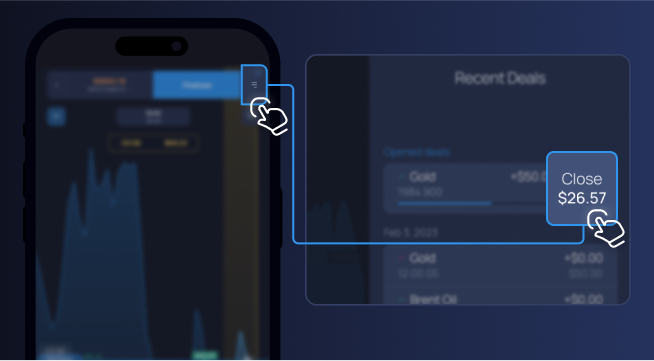
Why an Intuitive Platform Makes Risk Management Work
Even the best tools aren’t effective if they are hard to use. An intuitive interface, like ExpertOption’s, helps traders align each trade with their personal risk plan without unnecessary complexity. Before opening a position, you can clearly see the deal size, potential exposure, and balance, which makes it easier to stay within a predefined risk limit.
Applying the 1–2% rule begins with a simple calculation. First, check your current account balance and determine what 1–2% of that amount represents. For example:
- $200 balance: $2–$4 per trade
- $500 balance: $5–$10 per trade
- $1,000 balance: $10–$20 per trade
Once you know this range, select a transaction amount that falls within it. On ExpertOption, the trade panel shows the deal size before confirmation, allowing you to quickly verify that the amount matches your risk plan. If the displayed amount is higher than your limit, you can adjust it before opening the trade.
This clarity helps prevent common mistakes that occur during fast market movements. Traders are less likely to overestimate their risk tolerance, increase trade size impulsively, or forget to check exposure before confirming a position. With clear visual cues and a straightforward dashboard, ExpertOption makes it easier to apply structured risk management and gradually build disciplined trading habits.
Key Benefits of a Structured Risk-Management Approach
Applying the 1–2% rule consistently has benefits beyond simply limiting losses. First, it allows you to practice trading without fear of devastating your account. Second, it encourages long-term thinking: small, controlled risks help you focus on strategy rather than chasing quick wins or reacting emotionally to losses.
Structured risk management also builds confidence. When you know that losses are contained, you are free to analyze the market more objectively and follow your plan consistently. Over time, this method supports steadier account growth and a stronger understanding of how your strategies work in real conditions.
Real ExpertOption Case Studies
Practical examples help show how the 1–2% rule works in real trading situations. The key idea is simple: before opening a trade, the trader calculates the maximum acceptable loss and chooses a deal size that fits within that limit.
Below are two scenarios that demonstrate how traders can apply this principle on ExpertOption.
Case Study 1: A Beginner Learning to Control Trade Size
A beginner trader starts with a $200 balance. Following the 1% risk rule, the trader decides that the maximum acceptable loss per trade should be $2.
Step-by-step process:
- The trader checks the account balance: $200.
- Calculates 1% of the balance: $2 risk per trade.
- Before opening a position, the trader selects a deal size close to $2 on the trading panel.
- The trader reviews the displayed trade amount and confirms the position only if it stays within the planned risk.
During the first session, the trader opens four trades. Three of them end unsuccessfully.
- Loss per trade: $2
- Total loss after three trades: $6
- Remaining balance: $194
Because each position was small, the losses remain manageable, and the trader can continue practicing without large emotional pressure.
By selecting a small, pre-calculated trade amount, the beginner protects the account from sudden balance drops and gains time to learn how markets move.
Case Study 2: An Intermediate Trader Managing a Larger Amount
A more experienced trader maintains a $1,000 account and follows the 2% rule, meaning the maximum acceptable loss per trade is $20.
How the trader prepares a trade:
- Account balance: $1,000
- Risk limit (2%): $20 per trade
- The trader opens the ExpertOption interface and checks the deal size selector.
- A trade amount of $20 is chosen before confirming the position.
During a volatile market session, the trader experiences two losing trades and one winning trade.
- Trade 1: –$20
- Trade 2: –$20
- Trade 3: +$20
Even with volatility and mixed results, the account balance stays close to the starting level because each trade remains within the risk limit.
The trader avoids the common mistake of doubling the trade size after losses and keeps the same structured approach throughout the session.
Maintaining consistent deal sizes based on a fixed percentage of the balance helps experienced traders stay disciplined and prevents emotional decisions during fast market movements.
These examples show a practical routine traders can follow:
- Check your balance before trading
- Calculate 1–2% of the balance
- Select a deal size within that amount
- Confirm the trade only after reviewing the displayed risk
This simple process helps traders keep losses predictable and maintain a structured approach to trading on ExpertOption.

Common Mistakes to Avoid
Even with clear risk-control tools, emotional decisions can still undermine discipline. Many trading mistakes happen not because of a lack of strategy, but because traders react to recent outcomes rather than following their original plan.
1. Increasing the trade amount after a win (“winner’s euphoria”)
After a successful trade, it’s common to feel more confident and increase the next trade size. This emotional boost can lead traders to take on more risk than planned. However, a winning streak does not guarantee the next outcome, and larger trades can quickly undo previous gains.
2. Trying to recoup losses immediately
Another common mistake is attempting to recover losses by placing larger trades right away. This reaction, often called “revenge trading,” can lead to rushed decisions and even bigger losses. A disciplined approach means accepting small losses as part of the process rather than trying to erase them instantly.
3. Violating the 1–2% rule due to emotions
Risk guidelines like the 1–2% rule help keep losses manageable, but emotions can tempt traders to ignore them. Increasing exposure during frustration or excitement often leads to inconsistent results and unnecessary balance volatility.
4. Opening a trade without checking the displayed risk
On platforms where the potential outcome is shown before execution, skipping this step can be costly. Some traders enter trades quickly without reviewing the selected amount or the possible loss. Taking a moment to verify the risk helps maintain consistency and prevents accidental overexposure.
5. Sharply increasing the trade amount during volatility
Periods of strong market movement can create the illusion of easy opportunities. In reality, volatility often increases uncertainty. Raising trade sizes dramatically during these moments can expose the account to sudden swings that exceed the trader’s original risk plan.
Using ExpertOption’s visual tools and structured interface minimizes these risks. By clearly showing exposure and providing straightforward controls, the platform helps traders avoid the errors that commonly cause account blowouts.
You can explore helpful information about the platform in our blog.
What Should a Trader Do Next?
Practical steps to apply risk management effectively include:
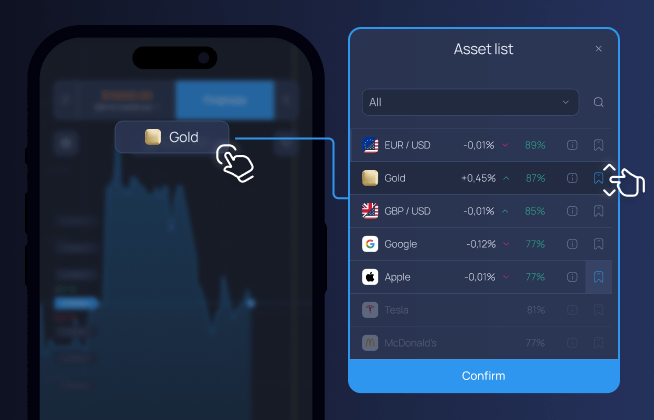
- Explore assets: Start with instruments you understand, such as indices, stocks, or commodities.
- Test the demo mode: Use a risk-free environment to practice setting stop-losses and calculating lot sizes.
- Check each trade: Review stop-loss levels, lot size, and potential loss in relation to your account before entering.
- Maintain discipline: Stick to the 1–2% rule consistently, even after winning or losing trades.
These actions help you develop responsible trading habits while gaining real-world experience in a controlled way.
FAQ
What is the 1–2% rule?
The 1–2% rule is a simple risk management strategy where you only risk 1–2% of your total account balance on any single trade. This prevents one losing trade from having a major impact on your capital and helps you trade more consistently over time. For example, if your account has $500, you would risk no more than $5–$10 on a single position.
How to use the 1–2% rule on ExpertOption?
Calculate 1–2% of your total account balance and use that amount as the maximum you are willing to risk on a single trade. For example, with a $500 balance, the risk per trade would be $5–$10. On ExpertOption, this means selecting a deal size that stays within that limit. Recalculating the percentage as your balance changes helps keep risk consistent and prevents large losses from a single trade.
What should I do if I broke the rule and experienced a large drawdown?
Large drawdowns can happen when trade sizes exceed a comfortable risk level. The most practical step is to pause trading and reassess your position sizing. Many traders return to smaller deal amounts and rebuild discipline by strictly applying the 1–2% rule. This approach helps stabilize the balance and reduces the emotional pressure that often follows significant losses.
How should I choose the right lot size?
Lot size determines how much capital you commit to each trade. On ExpertOption, the platform helps calculate the correct lot size based on your account balance. This makes it easier to stick to the 1–2% risk rule and protects your balance from unnecessary exposure.
What counts as a risk-management violation?
A risk-management violation typically occurs when a trader exceeds their planned risk limits. This may include opening trades that are much larger than the 1–2% guideline, increasing trade amounts impulsively after wins or losses, or entering positions without checking the displayed deal size. Over time, these habits can expose the account to unnecessary volatility.
Is the 1–2% rule suitable for beginners?
Yes. The 1–2% rule is widely considered a beginner-friendly approach to managing risk because it keeps potential losses small relative to the total balance. This allows new traders to stay in the market longer while learning how price movements, market conditions, and personal discipline affect trading decisions.
How does the ExpertOption interface help avoid risk-management mistakes?
ExpertOption uses a clear and simplified layout that displays trade amounts and position details before a deal is opened. This makes it easier to confirm that the selected trade size fits within a planned risk limit. By keeping key information visible and easy to understand, the platform helps traders avoid accidental overexposure and maintain more consistent risk control.
Final Thoughts
Effective risk management is the foundation of responsible trading. On ExpertOption, this starts with simple, practical habits: choose a transaction amount within 1–2% of your total balance, check the displayed deal size and potential loss before confirming, and avoid increasing the trade amount impulsively after wins or losses. These small checks take only a few seconds but can significantly reduce unnecessary risk
By combining thoughtful deal sizing with the platform’s clear visual indicators, traders can better understand how each position affects their balance. This helps maintain discipline, especially during fast market movements when emotional decisions are more likely.
Whether you’re new to trading or already experienced, following the 1–2% rule and paying attention to ExpertOption’s visual risk indicators can help you approach each trade with greater calm and consistency. Maintaining clear risk limits and using the platform’s built-in cues supports more disciplined decisions — an important foundation for long-term trading stability.
If you want to see how structured risk management works in practice, try applying these steps on ExpertOption: start with small trade amounts, check the displayed risk before confirming, and build the habit of disciplined decision-making from the very first trade.
Latest Posts
Trading Education
Trading News
Trading Strategies
Promotions & Tournaments
Success Stories & Tips
Platform Updates
Global events, stocks, crypto, forex
ExpertOption Reviews: An Honest Overview and Tips from Traders
5 minutes to readExpertOption Withdrawal Policy: How Withdrawals Work and Why Balance Management Matters
5 minutes to readExpertOption Reviews: An Honest Overview and Tips from Traders
5 minutes to readExpertOption Withdrawal Policy: How Withdrawals Work and Why Balance Management Matters
5 minutes to read